
What Is Event Merchandise and Why It Matters for Your Brand
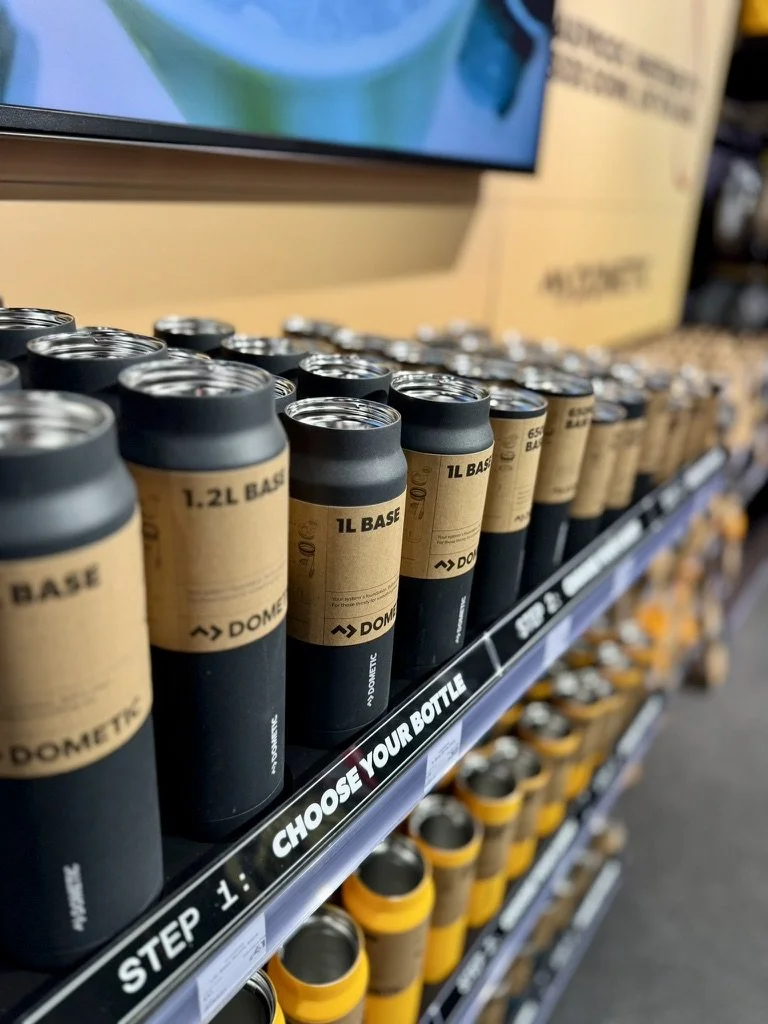
If anything is sold or given away in an event that carries your brand, these can be considered event merchandise. Tote bags, for example, or everyday items like accessories or small branded gifts can be used as an example for this. All these, together, relate to remembering the company's presence being there, ease of spoiling the conversational ice and a short cut to message rotation. The meaning and importance of event merchandise and how to choose the best pieces for your upcoming gathering are all explained in this guide.
What Counts As Event Merchandise?
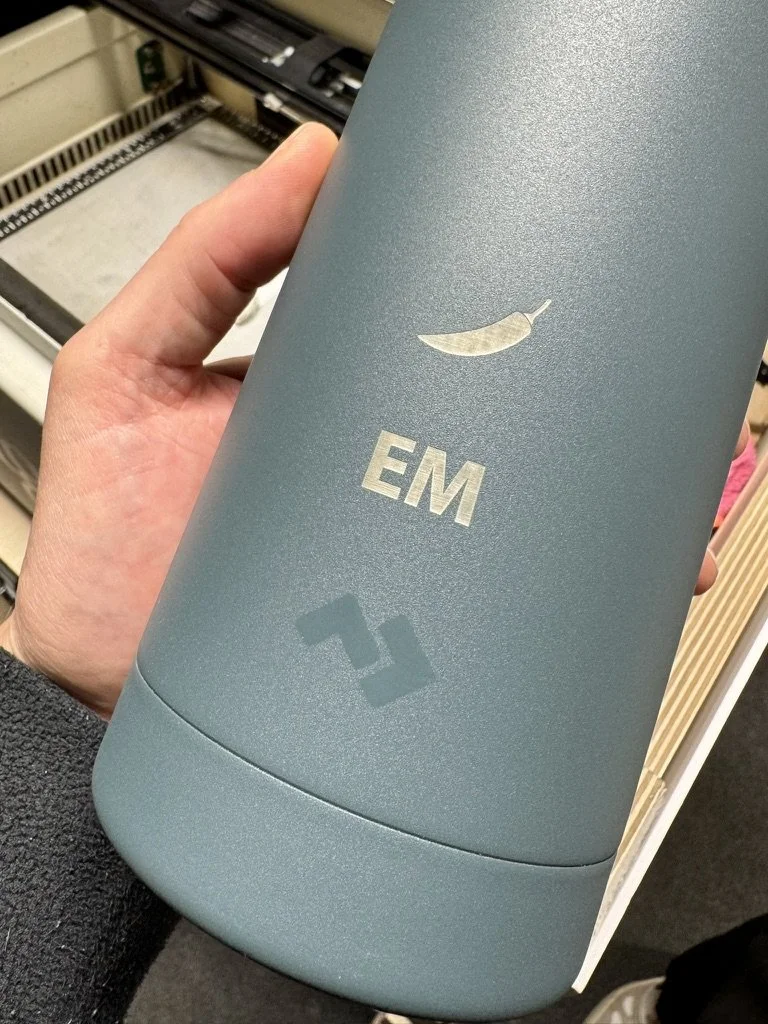
Event merchandise covers many items. These often include customised or experiential items created live at the event. Some businesses offer personalised items for visitors to take home, created through live laser engraving during the event. This gives each guest a unique, memorable keepsake.
Importance of Event Merchandise
Event merchandise does more than fill a giveaway table. When planned well, it gives several practical benefits:
Brand recall. A physical item reminds people of the event long after it ends.
Word of mouth. Useful or attractive items are shown to others.
Perceived value. Good quality merchandise makes your brand feel professional.
Engagement. Interactive or personalised merchandise increases attendee involvement.
These benefits help events deliver better return on investment. A branded item worn or used in public turns one attendee into a moving advertisement for your brand.
How To Choose The Right Event Merchandise
It’s about choosing items that maximise utility, look great, and work in the context.
Use this short checklist:
Will people use it after the event?
Does it align with the brand or event message?
Is this worth the money for such quality?
Can this be customised in a way that makes it more memorable?
Personalisation is an especially strong tactic. Creating or engraving items during the event gives guests a story to tell and a stronger memory of your brand. Many event teams now include live personalisation for this reason.
Design Tips That Help Merchandise Perform
Keep your logo clear but not overpowering.
Use clean, legible fonts.
Pick colours that match the brand and show up well in photos.
Take into consideration limited production or items in series to make it seem more valuable.
Small design choices can make an item feel premium. Guests are more likely to keep items that look good and are useful.
Measurable Benefits Of Good Event Merchandise
| Benefit | How can you measure it |
|---|---|
| Brand recall | Post-event surveys asking if they remember the brand |
| Online traffic | Track website visits from event-specific URLs or QR codes |
| Social shares | Count posts using the event hashtag or tagging your brand |
| Lead growth | Number of sign-ups captured at the booth or via scan |
Adding a simple way to measure results makes it easier to judge which merchandise choices worked best.
Why Make Merchandise Part Of The Event Experience
Merchandise should not be an afterthought. When items are woven into the event experience, they do more work for your brand. Here are three practical ways to integrate merchandise:
Give a personalised item when someone completes an activity.
Use merchandise as a reward for joining a demo or signing up.
Run a limited-time feature that offers guests a custom keepsake.
Live production or customisation turns a giveaway into an experience. This approach is used by events that want to leave a stronger impression.
Checklist For Event Merchandise
| Step | Action |
|---|---|
| 1 | Define the goal for merchandise (awareness, leads, loyalty) |
| 2 | Choose 1 to 3 items that match the goal |
| 3 | Decide if you will offer live personalisation during the event |
| 4 | Set a budget and order timeline |
| 5 | Add simple tracking (QR codes, survey links) |
Follow this checklist to keep the process clear and on time.
Common Mistakes To Avoid
Choosing items that are cheap and quickly thrown away.
Over-branding so the item looks like an ad.
Skipping measurements or sizes for items.
Forgetting to add a simple way to track results.
Avoiding these mistakes will make your merchandise more effective and less wasteful.
How to Measure the Outcome
Set one or two clear metrics before the event. Common metrics include:
Items distributed vs the target number.
Website visits using event links.
Number of social posts with the event tag.
New sign-ups or leads collected.
Measure results and compare them to last year or to similar events. This helps you improve choices for future events.
Final Thoughts
Event merchandise is a practical and powerful tool for building brand memory. Useful, well-designed items become daily reminders of your brand. Personalisation and real-time customisation raise the item’s value and create stories that people share. With clear goals and a small plan, merchandise can help you reach more people and make your events more memorable.
MakersCAFE specialises in experiential personalisation using laser engraving, helping brands create meaningful event memories with thoughtful customised items. For more ideas check out MakersCAFE site.