
Experiential Brand Activations vs Traditional Marketing: What Works Better?
Marketing has changed a lot over the years. In the past, most brands relied on traditional methods such as advertisements, banners and promotional campaigns to reach customers.
Today, many businesses are exploring experiential brand activations to build stronger relationships with their audience.
In this blog, we will explore the difference between traditional marketing and experiential brand activations, understand experiential events and see why many brands are choosing this approach today.
What Is Traditional Marketing?
Traditional marketing focuses on sending a message to the audience. This can happen through advertisements, banners, emails, posters or promotional campaigns.
The goal is to tell people about a product or service and encourage them to buy it.
However, traditional marketing usually works as one-way communication. The brand speaks and the audience listens.
Many people today see hundreds of advertisements every day. Because of this, marketing messages are often ignored or quickly forgotten.
What Are Experiential Brand Activations?
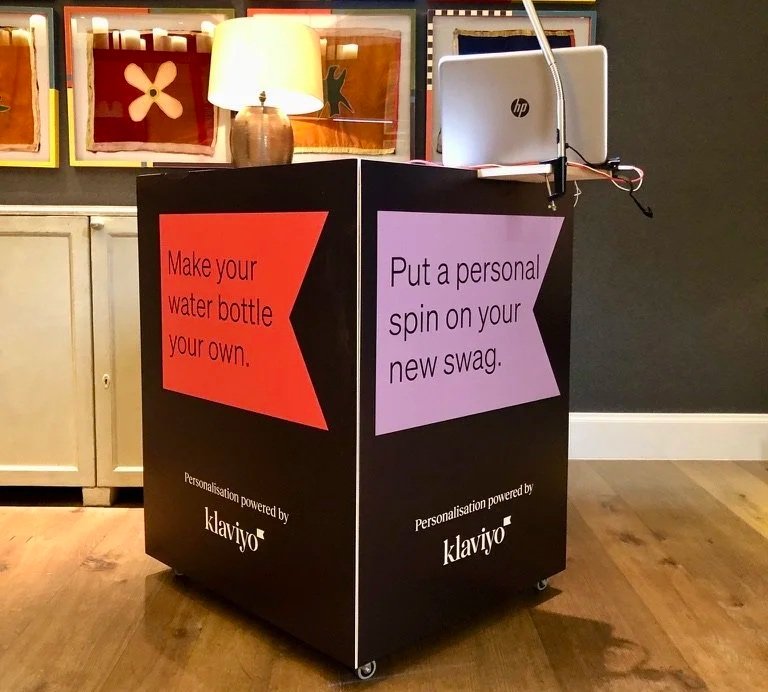
Experiential brand activations focus on creating interactive experiences where people can directly engage with a brand.
Instead of only seeing a brand message, people become part of the experience.
These activations often include:
Live personalisation
Interactive experiences
Interactive brand setups
The goal is to create a memorable moment where people can experience the brand rather than simply observe it
Brands that use experiential marketing often organise experiential events where people can interact with their products and ideas in real time.
What Are Experiential Events?
Experiential events are events designed to give people a real experience with a brand, product, or service.
Instead of explaining what a brand does, these events allow people to see, touch, and experience it themselves.
These events help brands:
connect directly with their audience
create memorable moments
build stronger brand relationships
Many companies now include experiential events as part of their marketing strategy because they encourage real participation.
Types of Experiential Events
Experiential events can take different forms depending on the brand and its goals.
Here are some common types.
Product Launch Events
Brands often organise interactive launch events when introducing a new product. Visitors can explore and understand the product through direct experience.
Pop-up Experiences
A pop-up event is a temporary, branded arrangement that is designed to grab attention by providing visitors an opportunity for an interactive experience.
Trade Shows and Exhibitions
Trade shows are where brands meet consumers. Interactive elements will make a company noticeable at trade shows.
Brand Activation Event
The goal of such events is to promote a product or a service by offering activities for interaction with the brand.
Corporate Events
Experiential elements are also used in corporate gatherings to create unique and memorable moments.
Why Experiential Brand Activations Are Effective
Experiential marketing works because people remember experiences more than advertisements.
The following are just a few reasons why they work.
They Create Connections
Participants tend to have more connection with the brands when involved in activities.
They Improve Brand Recall
Interactivity allows for longer memory retention of an event than advertising.
They Make It Easier to Understand Products
Experiences allow individuals to understand the product better.
They Create Memories
Most experiential activities end up creating unforgettable moments.
Traditional Marketing vs Experiential Brand Activations
| Feature | Traditional Marketing | Experiential Brand Activations |
|---|---|---|
| Communication style | One-way communication | Two-way interaction |
| Audience role | Observers | Participants |
| Engagement level | Limited | High |
| Brand experience | Mostly visual | Real-life interaction |
| Memory impact | Often short-term | More memorable |
Benefits of Experiential Events for Brands
Experiential events offer several advantages for businesses.
Here are some key benefits.
Creates stronger brand engagement
Allows direct interaction with customers
Builds trust through real experiences
Helps brands stand out in crowded markets
Creates memorable moments for attendees
These benefits explain why many companies now include experiential events in their marketing strategies.
The Role of Personalisation in Experiential Marketing
Personalisation plays an important role in many experiential events.
When people receive a personalised product or participate in a customised experience, the moment becomes more meaningful.
Personalized experiences help:
make visitors feel special
strengthen emotional connection with the brand
create memorable takeaways
Because of this, many experiential events include live personalisation activities.
How MakersCAFE Supports Experiential Brand Activations
MakersCAFE helps brands create interactive experiences using laser cutting and engraving technology.
Their experiential events focus on live personalisation. Therefore, guests can watch products being engraved or customised in real time.
These interactive experiences help transform simple items into memorable keepsakes while also creating engaging brand moments.
By combining creativity and technology, MakersCAFE helps brands turn ordinary events into meaningful experiences.
When Should Brands Use Experiential Marketing?
Experiential marketing works especially well in situations where brands want to create deeper engagement.
It is commonly used for:
product launches
brand activation campaigns
corporate events
trade shows
promotional events
In these settings, experiential activities help attract attention and encourage participation.
Which Works Better: Experiential or Traditional Marketing?
Both marketing approaches serve different purposes.
Traditional marketing helps brands reach a large audience quickly through advertisements and promotions.
Experiential brand activations, however, focus on creating meaningful interactions with customers.
Many brands now use a combination of both methods:
Traditional marketing to spread awareness
Experiential marketing to create engagement
Together, they help build stronger brand relationships.
Conclusion
Marketing today is no longer only about delivering messages. People want to interact with brands and experience them in real life.
This is why experiential brand activations are becoming an important part of modern marketing strategies.
Experiential events allow people to participate, explore, and connect with a brand in a more personal way.
Traditional marketing still plays an important role, but experiential marketing offers something unique. The chance to create real moments that people remember.
With interactive experiences and live personalisation, brands can turn simple events into memorable experiences. MakersCAFE helps make this possible by combining creativity, technology and experiential events to deliver engaging brand activations that leave a lasting impression.